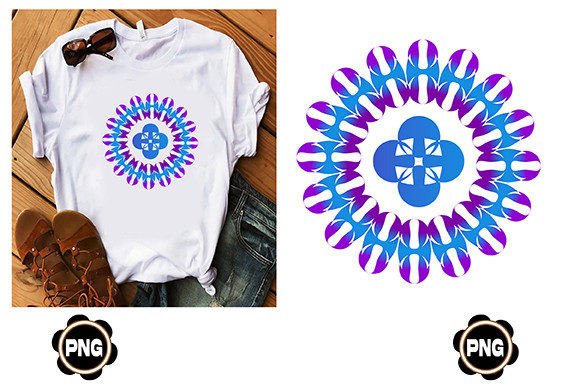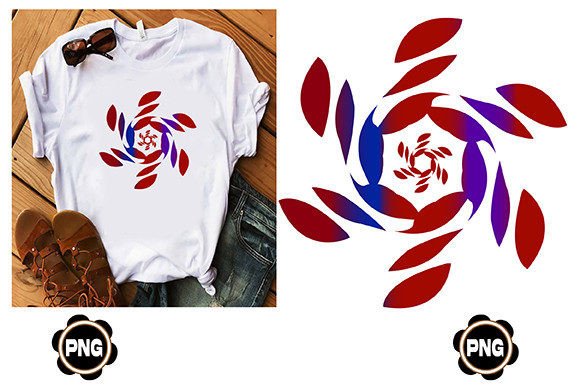
Design D10T1C3: Unlocking Creative Potential for Modern Projects
Finding a typeface that captures a specific mood while remaining versatile enough for multiple applications is a challenge many creators face. Design D10T1C3 enters the scene as a compelling option, offering a distinctive aesthetic that bridges the gap between artistic expression and functional communication. This typeface carries a personality that can elevate a project from ordinary to memorable, whether you're building a brand from scratch or refreshing an existing visual identity.
What Makes This Typeface Stand Out
Every font tells a story before a single word is read. Design D10T1C3 brings a character that feels both contemporary and adaptable, making it suitable for projects that need to make an immediate visual impact. Its letterforms exhibit careful attention to proportion and spacing, which translates into clean readability across different sizes and mediums.
What sets this typeface apart is its ability to maintain clarity while still delivering personality. Too often, fonts that look striking at large sizes become illegible when scaled down for body text or smaller applications. Design D10T1C3 strikes a balance that serves designers working across multiple touchpoints—from a bold headline on a poster to refined text on packaging.
Practical Applications Across Industries
Small business owners building their first brand identity often underestimate how much typography influences customer perception. The font you choose for your logo, website headers, and product labels sends an immediate signal about your brand's personality. Design D10T1C3 works particularly well for businesses that want to project confidence and creativity without appearing overly formal or disconnected from their audience.
Content creators and social media managers will find this typeface valuable for creating cohesive visual content across platforms. Instagram graphics, YouTube thumbnails, Pinterest pins, and Facebook headers all benefit from a consistent typographic voice. When your audience encounters the same font style repeatedly across different channels, it builds recognition and trust—two currencies that matter enormously in crowded digital spaces.
Packaging design represents another area where Design D10T1C3 can shine. Product labels, box designs, hang tags, and informational inserts all require typography that communicates essential details while reinforcing brand personality. A font that looks beautiful on screen but prints poorly defeats the purpose entirely, which is why having access to high-resolution, print-ready files becomes essential.
Working With the Included Files
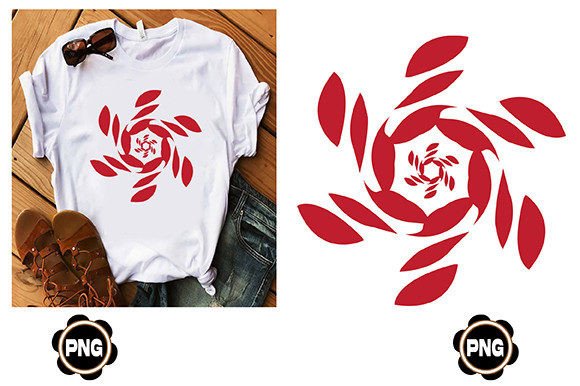
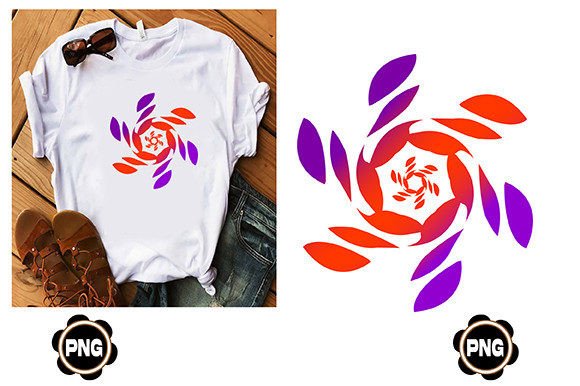
When you receive this design asset, you get a zip folder containing carefully prepared files designed to streamline your workflow. The package includes PNG files at 300 dpi with transparent backgrounds, which means you can overlay these graphics on any color or pattern without dealing with awkward white boxes or background removal headaches.
This format choice matters more than many people realize. A transparent, high-resolution PNG file works seamlessly across:
- T-shirt and apparel printing — Direct-to-garment and screen printing services accept PNG files readily, and 300 dpi resolution ensures your designs look crisp on fabric rather than pixelated or blurry.
- Sticker production — Die-cut stickers require transparent backgrounds so the design sits cleanly on the sticker material without visible edges.
- Poster and wall art printing — High resolution prevents the grainy appearance that lower-quality files produce when enlarged.
- Digital mockups and presentations — Transparent PNGs layer effortlessly in design software, saving time during the creative process.
- Website graphics and blog features — Clean files with proper resolution maintain professional appearance across devices and screen sizes.
The ability to use these files for both digital and physical products gives creators and entrepreneurs significant flexibility. You might start by using the graphics for social media posts, then adapt them for printed merchandise, event signage, or promotional materials without needing to source separate file formats.
Matching Typography to Your Project Goals
Choosing a font should never happen in isolation. The typeface you select needs to align with the message you're communicating, the audience you're addressing, and the medium where the design will live. A playful handwritten font might work beautifully for a children's party invitation but feel completely wrong for a financial services brochure.
Before committing to any typeface—including Design D10T1C3—ask yourself a few practical questions. What emotion should this design evoke? Who will be reading it, and in what context? Will the text appear primarily on screens or in print? Does this font need to pair well with other typefaces already in use?
Font pairing deserves special attention. Even the most beautiful typeface can fall flat when combined with a clashing companion. Generally, pairing a display or decorative font with a clean sans serif creates visual contrast that guides the reader's eye. Use the more distinctive typeface for headlines and short phrases, then let a simpler font handle longer passages of text. This approach maintains visual interest without sacrificing readability.
Building Visual Consistency Across Touchpoints
One of the most overlooked aspects of brand building is typographic consistency. When a business uses five different fonts across its website, social media, packaging, and printed materials, the result feels disjointed and unprofessional. Customers might not consciously notice inconsistent typography, but they register it as a lack of polish and attention to detail.
Establishing a small, intentional type system—one or two primary fonts plus a complementary accent font—creates cohesion that strengthens brand recognition over time. Design D10T1C3 can serve as either the primary personality font or the accent typeface, depending on your brand's needs and the other elements in your visual system.
Consider creating a simple reference guide that documents which fonts you use for headlines, subheadings, body text, and accent elements. Share this guide with anyone who creates content for your brand, whether that's an internal team member, a freelance designer, or a social media manager. Consistency becomes much easier to maintain when expectations are clearly documented.
Licensing and Commercial Use Considerations
Before using any design asset commercially, understanding the licensing terms protects you from legal complications down the road. Commercial licensing typically covers uses where the font or design element appears in materials that generate revenue or promote a business. This includes merchandise, advertisements, client work, product packaging, and branded content.
Review the specific license attached to your purchase to confirm what's permitted. Some licenses allow unlimited commercial use across multiple projects, while others may restrict usage to a single client or product line. Knowing these details upfront prevents awkward situations later, especially if your project scales or you plan to offer the finished product to multiple clients.
Making the Most of Your Design Investment
A quality typeface or design asset is an investment that pays dividends across numerous projects. Rather than treating it as a single-use purchase, think about how it fits into your broader creative toolkit. Could the graphics be adapted for seasonal promotions? Might the font style work for an upcoming product launch or rebrand? Could the visual elements be incorporated into merchandise that generates passive income?
The creators behind #fabricstudio99 and #FabricStudio99 understand that designers and entrepreneurs need assets that deliver value beyond a single application. By providing files in versatile, production-ready formats, they remove technical barriers that often slow down the creative process. You spend less time converting, resizing, and troubleshooting files and more time actually creating.
Whether you're a designer assembling mood boards for a client presentation, a crafter preparing files for your next print-on-demand product, or a small business owner building marketing materials on a budget, having reliable design assets at your fingertips changes how efficiently you work. Design D10T1C3 offers that combination of visual distinction and practical utility that makes it worth exploring for your next creative project.