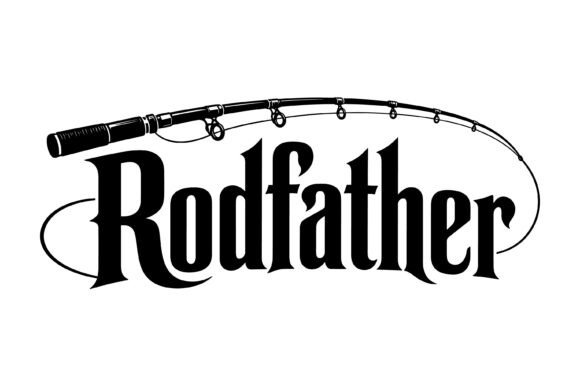
Rodfather Fishing Rod Dad Design: A Font for the Modern Angler
There’s a certain grit and authenticity to the world of fishing that’s hard to capture in modern design. It’s not just about the fish; it’s about the early mornings, the quiet patience, and the stories shared on the dock. For designers, small business owners, and creatives who need to channel that specific, rugged charm into their projects, finding the right visual language is key. The Rodfather Fishing Rod Dad Design isn't just another typeface; it's a visual shorthand for a lifestyle, offering a unique blend of personality and practicality that can breathe life into brands and creative work alike.
A Typeface with Built-In Character
What immediately sets this design apart is its distinct personality. It doesn't feel sterile or corporate. Instead, it carries the weight of handcrafted tradition, much like a well-loved fishing rod passed down through generations. The letterforms often feature subtle imperfections, weathered textures, or bold, sturdy shapes that evoke a sense of durability and outdoor adventure. This isn't a font that whispers; it speaks with a confident, clear voice that’s perfect for projects aiming to connect with audiences who appreciate authenticity and hands-on craftsmanship.
Think about the brands you trust in the outdoor space. Their logos and packaging often feel grounded and reliable. The Rodfather design excels here. Its visual consistency across a logo, a product label, and social media graphics helps build immediate brand recognition. When a customer sees that distinctive type on a rod holder, a t-shirt, or a website header, they instantly associate it with the values of fishing—patience, skill, and respect for nature. This kind of instant association is gold for building a loyal community around a brand or a creative project.
Practical Applications Beyond the Tackle Box
While its name points to fishing, the utility of this design asset stretches far beyond bait shops and charter services. Its rugged, typographic character makes it incredibly versatile. For a craft brewery, it could anchor a label design, suggesting handcrafted batches and a no-nonsense approach. A local hiking gear rental shop could use it for posters and signage, immediately communicating durability and an outdoor ethos. Even in editorial design, like a magazine feature on weekend hobbies or sustainable living, this font can add a layer of tactile, real-world texture that modern sans-serifs often lack.
For digital creators and marketers, the included file formats are a practical goldmine. You receive SVG, PDF, JPEG, PNG with transparency, EPS, and AI files all in one package. This means you're not locked into one platform. A social media manager can grab the transparent PNG to layer over a scenic photo for an Instagram story. A web designer can use the SVG for crisp, scalable text on a homepage. A small business owner can use the AI or EPS file to work with a printer on merchandise, ensuring the design translates perfectly from screen to physical product like hats, koozies, or tote bags. This flexibility saves countless hours and ensures your visual identity remains consistent everywhere it appears.
Making It Work: Pairing and Readability
Introducing a display font with this much personality requires a thoughtful approach. The golden rule is balance. You wouldn't use a heavy, textured script for an entire body of text; its strength is in headlines, logos, and callouts. For the body copy accompanying your Rodfather-designed headlines, opt for a clean, highly readable companion. A simple sans-serif like Montserrat or a classic serif like Lora can provide the perfect counterpoint, letting the main design shine without overwhelming the viewer.
Consider the mood of your entire project. If you're designing for a luxury fishing lodge, you might pair it with a refined serif to elevate the aesthetic. For a youth fishing tournament, a bold, friendly sans-serif alongside it could keep the energy high. Always test your pairings in context. Mock up a business card, a website hero section, or a product mockup to see how the fonts interact at different sizes. The goal is to create a hierarchy that guides the viewer's eye naturally, with the Rodfather design making the first, impactful statement.
From Concept to Commercial Reality
One of the most significant considerations for any designer or business is licensing. Understanding that this is a commercial font is crucial. It means you're legally covered to use the design across a wide range of projects—from client work and merchandise to digital products and marketing campaigns—without worrying about infringement. This peace of mind allows you to focus purely on the creative process, knowing your foundational design assets are professionally cleared for use.
Ultimately, the value of a creative asset like the Rodfather Fishing Rod Dad Design lies in its ability to solve a visual communication problem. It provides an immediate, recognizable voice for brands and projects centered on outdoor life, heritage, and hands-on activity. It’s more than just letters on a page; it’s a tool for storytelling, a way to connect with a specific audience through shared visual language, and a practical asset that streamlines the design process from initial concept to final, polished product.